Ghana and Ivory Coast: Why the Next Chapter of West African University Sport Starts Here

Every major continental sports platform built in Africa has begun with a single market and a pan-African ambition. HiSL is no different. But the expansion beyond Nigeria is not aspirational, it is already in motion.
The same structural logic that made Nigeria the right place to anchor West Africa’s first multi-sport, multi-country collegiate platform now points clearly to what comes next. Two markets. Two distinct entry stories. One shared principle: when the governance foundation is correctly laid, everything that follows, participating institutions, broadcast partnerships, commercial relationships, arrives with the confidence and speed that only institutional rigour can produce.
Ghana and Ivory Coast are not aspirational names on a roadmap. They are the two most commercially and institutionally prepared markets in West Africa for the HiSL model at this stage of the platform’s development. The proof points that justify that conviction are not projections. They are already on the record.
What follows is not an announcement. It is a strategic briefing, for institutions, commercial partners, and investors who want to understand why these two markets were selected, how the platform enters them, and what the expansion means for the collegiate sports landscape across West Africa. Formal confirmations will follow as governance engagement in each market progresses. The process is already underway.
The expansion beyond Nigeria is not aspirational. It is already in motion; and it is being built the only way that lasts.
Why Ghana Is the Right First Step Beyond Nigeria
Ghana’s case rests on three overlapping realities: established institutional sports infrastructure, a meaningful gap in the collegiate broadcast landscape, and a live proof point that no amount of strategic planning could manufacture as effectively as the truth already has.
Established University Sports Infrastructure
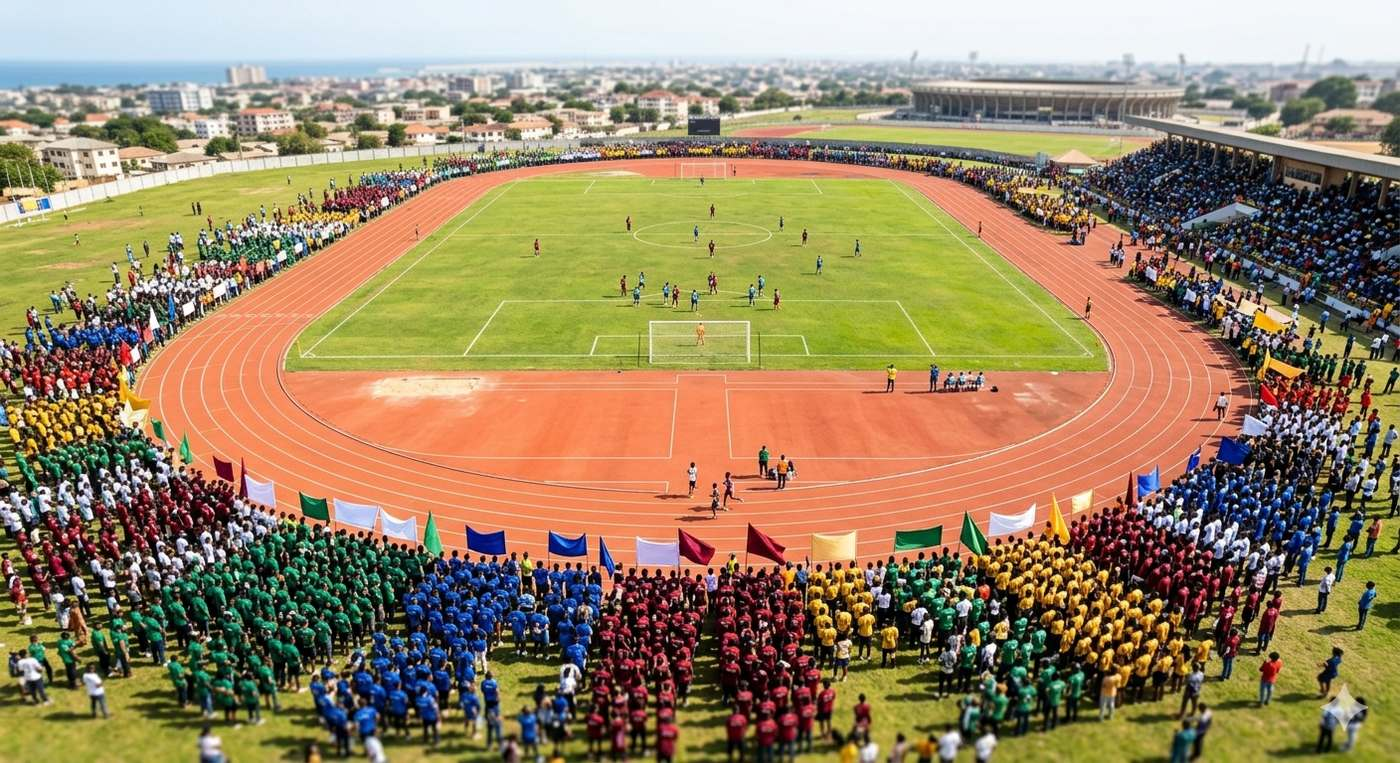
Ghana has a functioning, administered university sports culture. The country’s national university sports body has coordinated inter-institution competition across multiple disciplines for years. Participating institutions already know how to field competitive squads, coordinate fixtures across campuses, and move student athletes between venues for structured competition.
That baseline, the institutional muscle memory of organised university sport, took considerable time and effort to establish in Nigeria when the platform’s predecessor was first built. In Ghana, it already exists. The institutional conversations in Accra therefore begin at a fundamentally different starting point. HiSL is not introducing the concept of structured university sport to Ghanaian institutions. It is introducing a structurally superior platform to an environment that is already receptive to exactly what that platform offers.
For the platform, this means a compressed institutional onboarding timeline. For participating institutions in Ghana, it means entering a platform that recognises and builds on the sporting infrastructure they have already developed, rather than asking them to start from a standing position.
The Broadcast Gap and What It Means Commercially
Recent shifts in Ghana’s collegiate sports broadcasting landscape have left a visible and commercially significant gap. The demand for local, youth-oriented, emotionally resonant sports content from Ghanaian broadcasters and digital platforms is real and documented. Leading DTT operators in the market are actively seeking African university sport content that connects authentically with young, urban audiences, the demographic that is growing fastest and engaging most deeply with mobile content across the country.
HiSL’s model is precisely the content product that gap requires: predictable, high-frequency, institution-specific competition content built on rivalries that the target audience already has opinions about. The collegiate sports West Africa broadcast window is open in Ghana. The platform is positioned to fill it, not as a future possibility, but as an early and structurally informed conversation that the broadcast landscape is already prepared to receive.
A Live International Proof Point
This is not a soft introduction to the Ghana market. An institution in the platform’s Ghanaian pipeline, FISU-affiliated, already competing at the highest level of international university sport, has recently won recognition at the most significant international university competition in the sport. That is not a recruitment narrative constructed to open doors. It is a documented fact that changes the nature of every institutional conversation the platform enters in Ghana.
When HiSL enters a governance conversation with Ghanaian sports authorities, it does not arrive with a concept and a vision deck. It arrives with a network that already contains an institution whose international standing at the university level is on the public record. The question of whether the platform can produce results is not a question that needs to be asked. It has already been answered, by a Ghanaian institution, on an international stage, before the platform even formally announced its presence in the market.
Governance outreach in Ghana is now formally initiated. The sequencing principle that governs every HiSL market entry, governance first, participating institutions second, commercial relationships third, is already underway. Updates will be released as formal alignment is confirmed.
Why Ivory Coast Is an Equally Compelling and Distinctly Different Story
Ivory Coast’s entry into the HiSL platform is structurally different from Ghana’s, and that difference is precisely why it belongs in the same strategic chapter of the expansion narrative. These are not two versions of the same story. They are two distinct market entry cases that together demonstrate the adaptability of the platform’s governance-first model across different institutional and cultural contexts.
A Governing Body Relationship That Opens Every Room
Ivory Coast carries one of the most developed and continentally recognised sport governing body frameworks in francophone West Africa. The platform’s initial engagement in Ivory Coast is anchored through a governing body relationship, not a university-first conversation, not a commercial-first approach, but an institutional-level alignment with a body that carries the kind of continental standing that changes the nature of every conversation that follows.
This is the sequencing principle operating precisely as designed. A governing body relationship with continental recognition does not just provide regulatory clearance, it provides a credential. When HiSL enters subsequent conversations in Ivory Coast, with university administrators, with broadcasters, with commercial partners, it enters them carrying the institutional authority of an established governing body relationship. That is not a relationship that can be replicated through direct outreach, however well-resourced. It is earned through the correct sequencing of engagement.
The governing body relationship in Ivory Coast is not an end in itself. It is, precisely, the key that opens every other room in the market.
The Broadcast Landscape and the Francophone Opportunity
Ivory Coast’s broadcast landscape presents one of the most clearly defined content gaps in francophone West Africa. The country’s leading DTT operators are actively seeking local African university sport content that connects authentically with young, urban, francophone audiences, a demographic that is underserved by existing sports content production in the market and deeply engaged with mobile-first media consumption.
HiSL’s production model generates exactly the content product that broadcasters in this market are seeking: institution-specific, emotionally charged competition content that builds audience loyalty on student networks and distributes at zero incremental cost. The collegiate sports Africa 2026 broadcast opportunity in Ivory Coast is not a projection. It is a conversation the platform is positioned to have early, and on terms that the broadcast landscape is already prepared to accept.
The francophone dimension also matters commercially in a way that extends beyond Ivory Coast. A platform that produces broadcast-quality collegiate sports content in French, with the institutional depth of a governing body relationship and the competitive integrity of a structured season, is a content product that is relevant to every DTT operator and streaming platform with a francophone West African mandate. Ivory Coast is the entry point. The commercial logic extends across the language corridor.
Multi-Sport Traditions as the Natural Entry Point
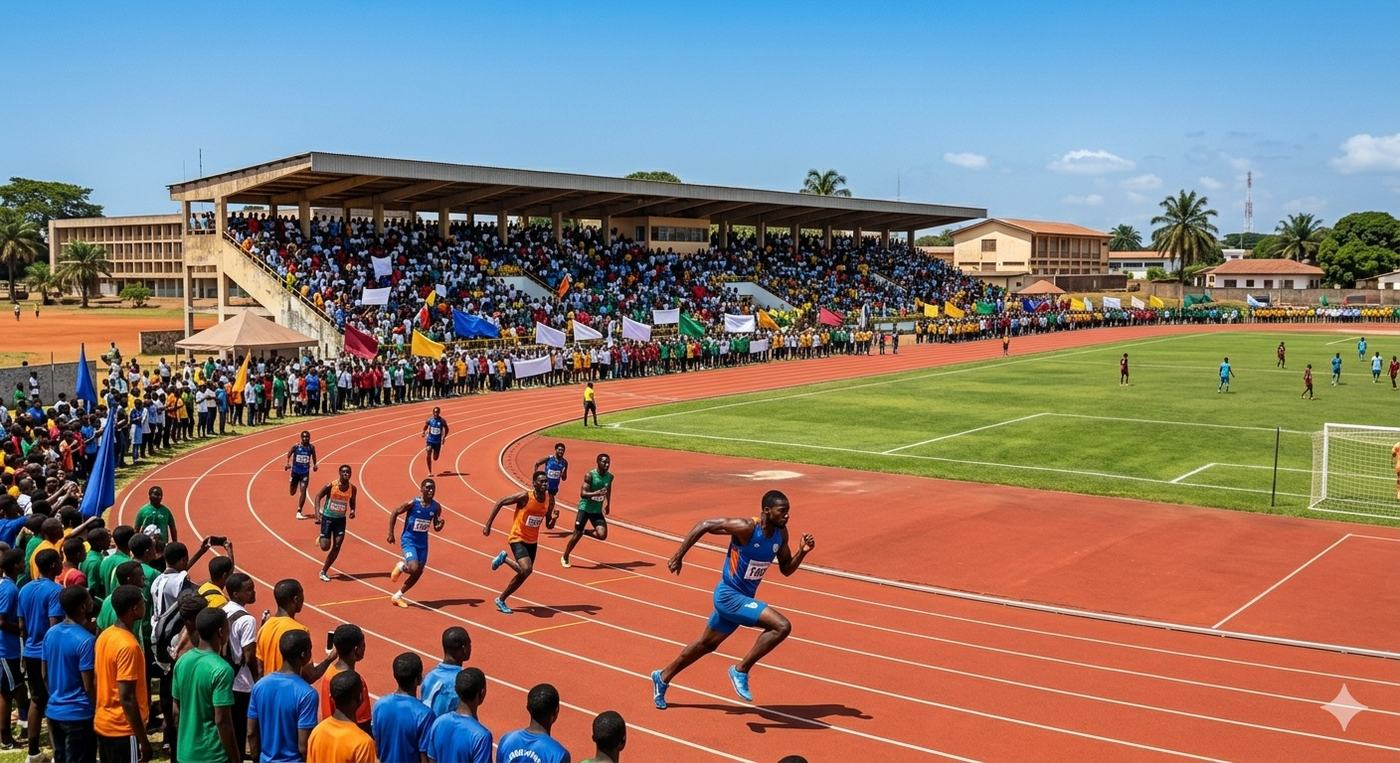
Several of Ivory Coast’s leading university institutions carry deep traditions in athletics, track disciplines, field events, and cross-country competition with organised inter-university histories that predate the current generation of students. These traditions represent a natural multi-sport entry point for HiSL’s platform, which is designed from the ground up to accommodate football, basketball, volleyball, athletics, and tennis within a single competition architecture.
An Ivorian institution entering HiSL does not join a football-first platform that has made room for other disciplines. It joins a genuinely multi-sport platform where its existing athletic traditions are a first-class competitive asset from day one, not a secondary consideration, not an addition, but a core part of what makes that institution’s presence in the platform commercially and athletically valuable. That is a different conversation. And it opens the door to a much stronger long-term institutional relationship.
The Sequencing Principle: Governance First, Always
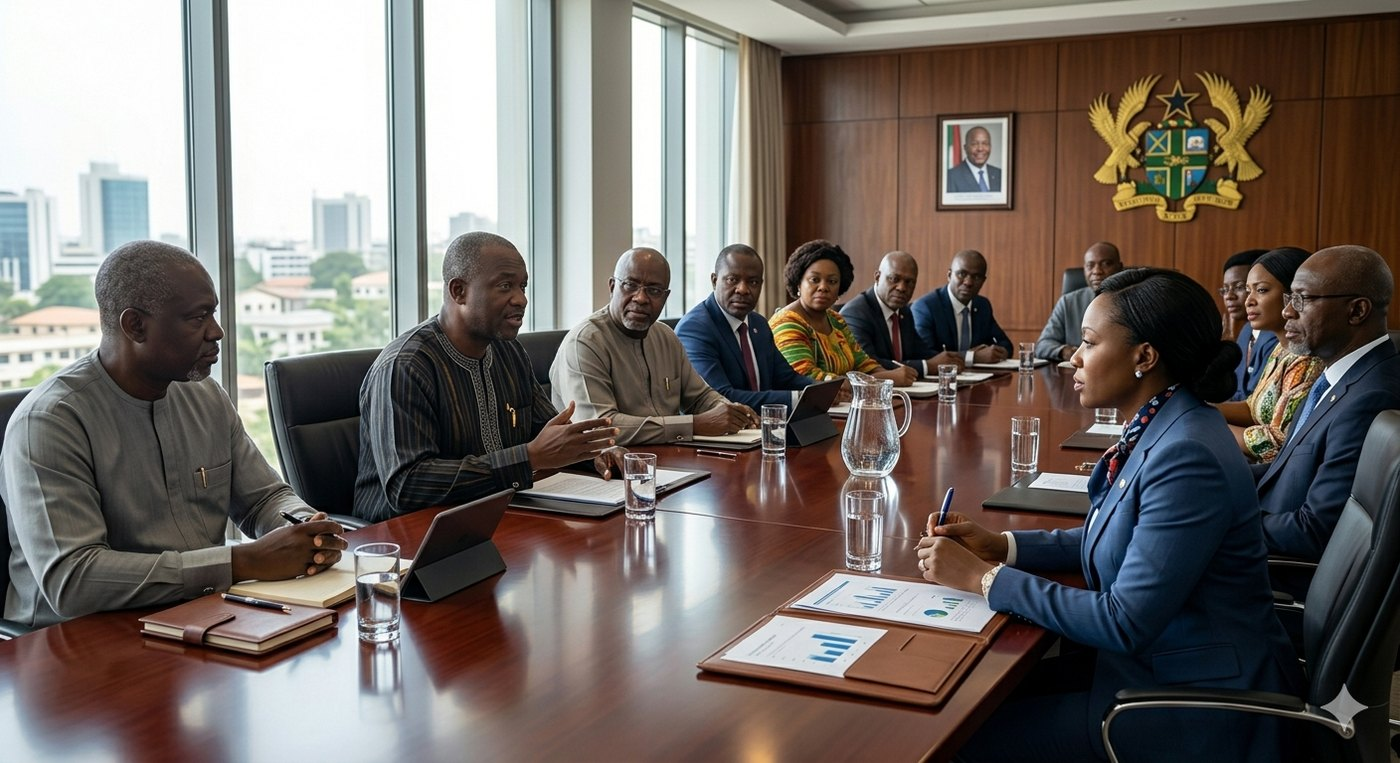
HiSL does not approach participating institutions or commercial partners before governance alignment is secured in any market. This is not a process preference shaped by caution. It is a platform philosophy shaped by conviction, and it is the reason that every institution and partner that comes into the network arrives knowing that the structure they are joining is sound, the regulatory framework is clear, and the institutional authorities that govern sport in their market have already validated the platform’s presence.
The sequencing is non-negotiable and operates in three stages, in this order, without exception, in every market the platform enters.
Stage One; Governance:
HiSL engages the relevant national university sports federation, national sports authority, or equivalent governing body in each market. This stage is complete only when formal institutional alignment is confirmed, not when a conversation has started, but when the governing framework that makes participation legitimate is in place.
Stage Two; Participating Institutions:
Only after governance alignment is confirmed does the platform engage institutions. Universities and colleges that enter the HiSL network do so within a system that has already been validated at the highest institutional level in their market. There is no regulatory ambiguity. There is no reputational risk. There is only the competition structure.
Stage Three; Commercial:
Only after the participating institution cohort is assembled does HiSL open formal commercial conversations. Sponsors, broadcasters, and investment partners enter a platform that already has institutional depth, confirmed participants, and a governance structure that validates every commercial relationship built on top of it.
This is not the fastest way to build a sports platform. It is the right way. And in markets where institutional trust is the primary commercial currency, which every serious market across West Africa is, it is ultimately the faster way, because nothing has to be rebuilt, defended, or re-explained after the fact. Speed without governance is a press release. Governance without speed is a missed window. HiSL is building at the pace that correct sequencing allows, and in markets with the infrastructure readiness of Ghana and Ivory Coast, that pace is faster than it appears from the outside.
Governance first. Institutions second. Commercial third. Not the fast way; the right way. Which is, ultimately, the faster way.
International Validation and What Continental Recognition Actually Changes
FISU, the International University Sports Federation, is the global governing body for university sport. It organizes the World University Games, administers international collegiate championships across dozens of disciplines, and provides the governance framework through which university sport connects with the broader international sports movement. It is the most consequential institutional credential available to a university sports platform operating at international scale.
FISU recognition means something precise and consequential: a platform or institution that carries FISU affiliation enters every in-country governance conversation with a credential that no local process can replicate. It is the difference between claiming to be an international collegiate sports platform and arriving as one. That distinction matters most in the room where institutional trust is the deciding variable, which is every room that matters in this expansion.
The Ghana Opportunity: Evidence of a Market Ready for Structure
The fact that a Ghanaian university has recently achieved success at one of the highest levels of international university sport is more than a noteworthy achievement. It is public evidence of the calibre of institutions, athletes, and competitive environments that already exist within West Africa’s higher education ecosystem.
For stakeholders evaluating the future of African collegiate sport, the significance extends beyond a single result. It demonstrates that world-class university talent, competitive excellence, and institutional sporting ambition are already present across the region. The opportunity is not to create these foundations from scratch, but to organize them within a structured collegiate sports framework capable of supporting greater visibility, commercialization, media value, and long-term ecosystem growth.
In markets such as Ghana, the conversation therefore begins from a position of demonstrated capability. The proof already exists. The challenge is building the governance, competition structures, and commercial infrastructure required to unlock its full potential at scale.
The Expansion Timeline Is Tied to Governance, Not to Ambition

Formal updates on Ghana and Ivory Coast will follow as governance engagement in each market progresses. The platform does not announce participation before institutional frameworks are in place, and does not put institutional frameworks in place before the governance stage that makes them legitimate has been completed.
That restraint is not caution. It is the design. The West Africa university sports platform that HiSL is building is credible precisely because every step of the expansion is built on the same governance-first foundation that made the Nigeria anchor credible. Speed without governance is a press release. Governance without speed is a missed window. The platform is building at the pace that the right sequencing allows, and in markets with the institutional readiness of Ghana and Ivory Coast, that pace is faster than it appears from the outside.
For institutions across Ghana and Ivory Coast: the conversation about participating in the founding cohort begins now. Register your institution’s interest at hislglobal.com.
For commercial partners and broadcasters: the collegiate sports West Africa content inventory is being assembled in sequence. Early engagement means early positioning, before the category-exclusive partnership windows close.
For institutional investors: the documented commitments already made by development finance institutions to African sports infrastructure, the facility signed for African broadcast rights acquisition, and the GSMA’s projection that Sub-Saharan Africa will account for a quarter of all new global mobile internet users in the coming years are not background context. They are the structural conditions that make this expansion commercially rational now, not eventually, not in a future cycle, but in the period during which this platform is being built.
Follow @HiSLGlobal on all platforms for updates on governance confirmations, institutional announcements, and expansion milestones as they are released. For partnership and investment enquiries: partnerships@hislglobal.com. To explore the full commercial framework: hislglobal.com.